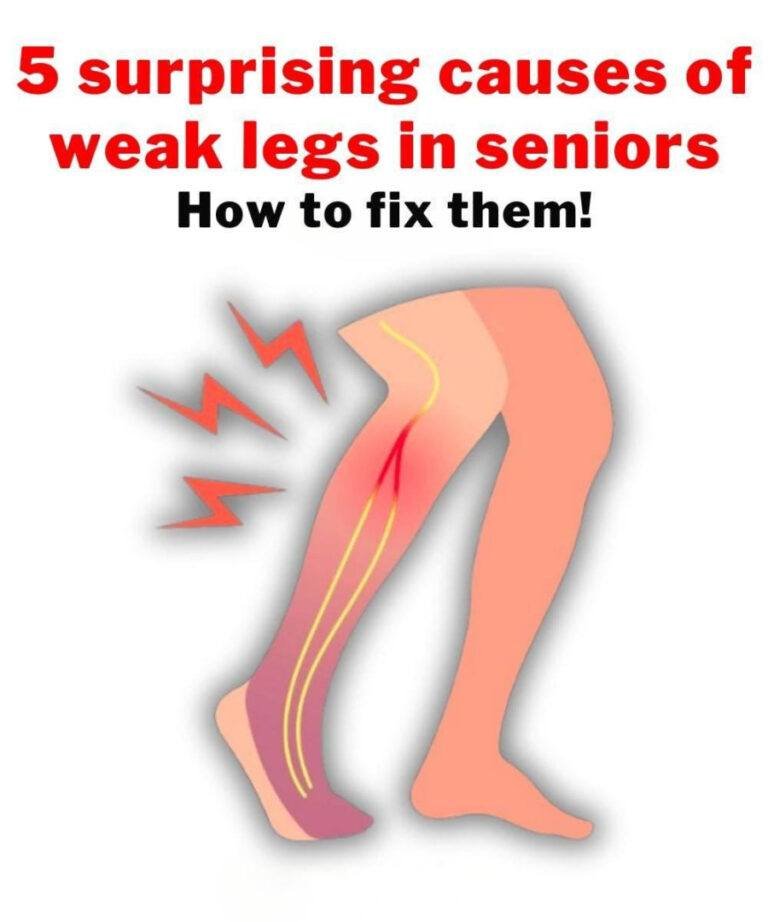
Weak legs in seniors can stem from a variety of causes, some of which are less obvious than age-related muscle loss. Here are five surprising causes that often go unnoticed:
1. Vitamin D Deficiency
- Why it matters: Vitamin D is essential for calcium absorption and muscle function. Low levels can lead to muscle weakness and increase the risk of falls.
- Signs to watch for: Leg weakness, bone pain, difficulty standing from a chair.
- Tip: Seniors should have vitamin D levels checked and consider supplements if needed (after consulting a doctor).
2. Medication Side Effects
- Why it matters: Certain medications—like statins (for cholesterol), diuretics, or some blood pressure drugs—can cause muscle weakness or cramps.
- Signs to watch for: Fatigue, cramps, or sudden leg weakness after starting a new medication.
- Tip: Review medications with a healthcare provider if leg weakness develops.
3. Peripheral Neuropathy
- Why it matters: Nerve damage, often from diabetes or vitamin deficiencies, can reduce leg strength and coordination.
- Signs to watch for: Tingling, numbness, burning sensations, or difficulty walking.
- Tip: Controlling underlying conditions like diabetes and seeing a neurologist can help manage symptoms.
4. Dehydration and Electrolyte Imbalance
- Why it matters: Low sodium, potassium, or magnesium can impair muscle function and lead to weakness.
- Signs to watch for: Muscle cramps, fatigue, dizziness, or sudden leg weakness.
- Tip: Encourage adequate fluid intake and a balanced diet rich in electrolytes.
5. Heart or Circulatory Problems
- Why it matters: Poor blood flow due to heart failure, peripheral artery disease, or varicose veins can make legs feel weak or heavy.
- Signs to watch for: Swelling in the legs, pain when walking, cold feet, or shortness of breath.
- Tip: Early detection and treatment of circulatory issues can prevent further complications.
Other considerations:
- Age-related sarcopenia (loss of muscle mass)
- Joint problems like osteoarthritis
- Neurological conditions such as Parkinson’s disease or stroke