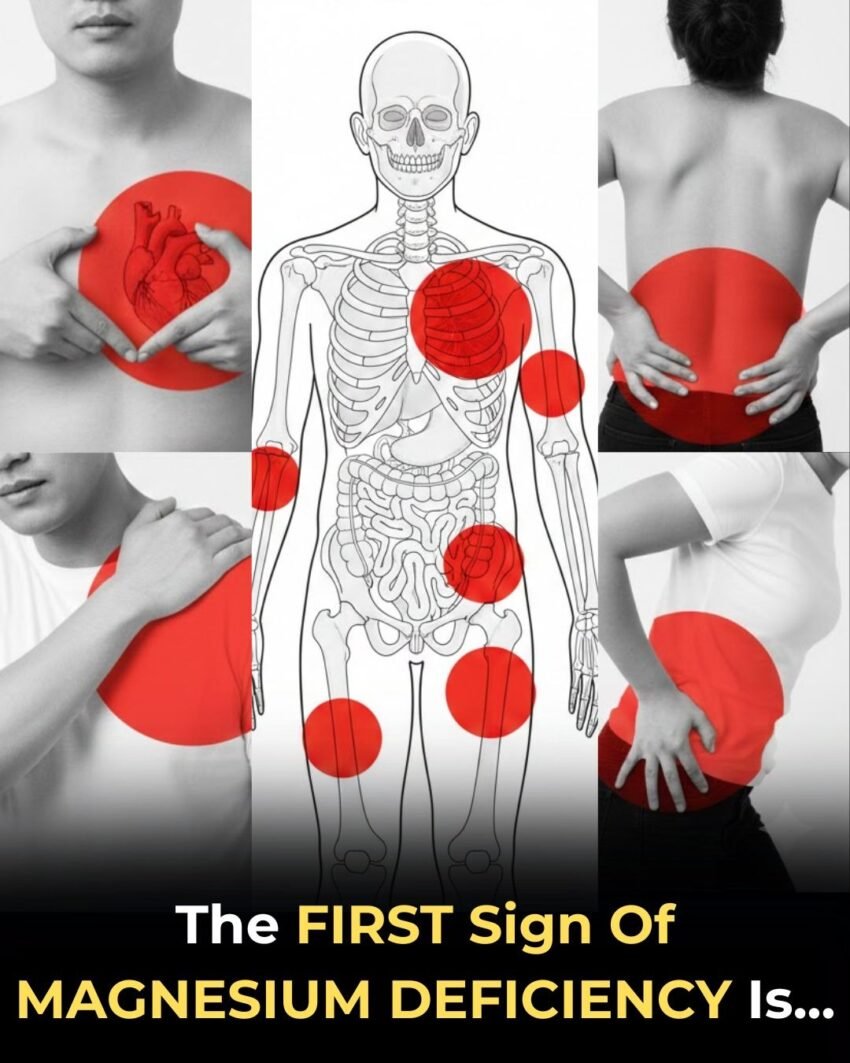
Here are 14 common warning signs of low magnesium levels (hypomagnesemia). These symptoms can range from mild to serious, and they often appear gradually.
(This is general information — not a diagnosis. If symptoms are concerning or persistent, a healthcare provider can evaluate magnesium levels through testing.)
14 Warning Signs of Low Magnesium
1. Muscle Cramps & Spasms
Magnesium helps muscles relax. Low levels often cause leg cramps, twitching eyelids, or sudden spasms.
2. Fatigue & Low Energy
Magnesium is required for ATP (cellular energy) production. Low levels can cause persistent tiredness or weakness.
3. Numbness or Tingling
Nerve function relies on magnesium. Deficiency may cause tingling in hands, feet, or face.
4. Anxiety, Nervousness, or Irritability
Magnesium helps regulate the nervous system. Low levels can increase stress sensitivity or restlessness.
5. Trouble Sleeping or Insomnia
Magnesium supports melatonin and relaxation pathways. Deficiency may make it hard to fall or stay asleep.
6. Loss of Appetite
Early magnesium deficiency can reduce appetite and worsen fatigue.
7. Nausea or Vomiting
Often an early sign — though not specific — especially when combined with other symptoms.
8. Abnormal Heart Rhythm (Palpitations)
Severe deficiency may cause heart rhythm changes because magnesium helps regulate heart muscle function.
9. High Blood Pressure
Magnesium helps relax blood vessels. Low levels may contribute to hypertension.
10. Frequent Headaches or Migraines
Low magnesium is linked to muscle tension and nerve excitability that can trigger migraines.
11. Muscle Weakness
Known as myasthenia, this is often due to disrupted potassium and calcium balance when magnesium is low.
12. Mood Changes (Depression or Low Mood)
Low magnesium is associated with neurotransmitter imbalance and increased inflammation.
13. Osteoporosis or Bone Issues
Magnesium helps regulate calcium and vitamin D. Chronic deficiency can weaken bones.
14. Irregular Bowel Movements (Constipation)
Magnesium helps move stool through the digestive tract. Very low levels may slow digestion significantly.
Who Is Most at Risk?
- People with digestive disorders (Crohn’s, celiac, IBS)
- Those with type 2 diabetes
- Individuals who consume high caffeine, alcohol, or soda
- People under chronic stress
- Older adults
- Those on certain medications (diuretics, PPIs, some antibiotics)
Magnesium-Rich Foods
To help maintain healthy levels:
- Leafy greens (spinach, Swiss chard)
- Nuts & seeds (almonds, cashews, pumpkin seeds)
- Whole grains
- Legumes
- Avocado
- Dark chocolate
- Bananas
- Yogurt